
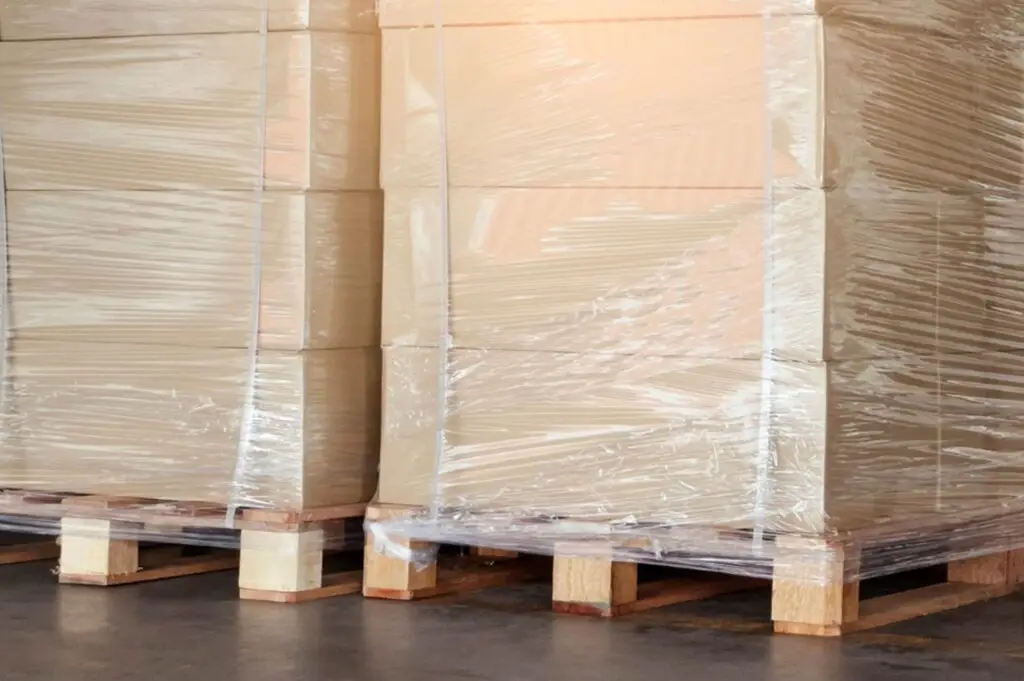
For food and beverage manufacturers, regulatory compliance is more than a requirement—it is critical to protecting product quality, maintaining customer trust, andavoiding costly disruptions
Moisture Absorption Creates Contamination Risks
Wood is naturally porous, meaning it absorbs moisture from the surrounding environment.
Common issues include:
- Mold growth
- Bacteria contamination
- Odors
- Product damage
Splinters and Debris Can Damage Products
These issues can lead to:
- Product contamination
- Damaged inventory
- Equipment downtime
- Increased workplace injuries
Pest Infestations and Sanitation Challenges
Wood pallets can also attract insects, pests, and bacteria.
Higher Long-Term Costs
Reusable plastic pallets can help companies:
- Reduce replacement frequency
- Improve operational efficiency
- Lower maintenance costs
- Minimize product damage
Frequently Asked Questions
Wood pallets can absorb moisture and harbor bacteria.
Yes. Plastic pallets have smooth, non-porous surfaces.
Yes. Splinters and nails increase injury risks.
Yes. Damaged pallets can interfere with systems.
Yes. Their durability reduces replacement and maintenance costs.