
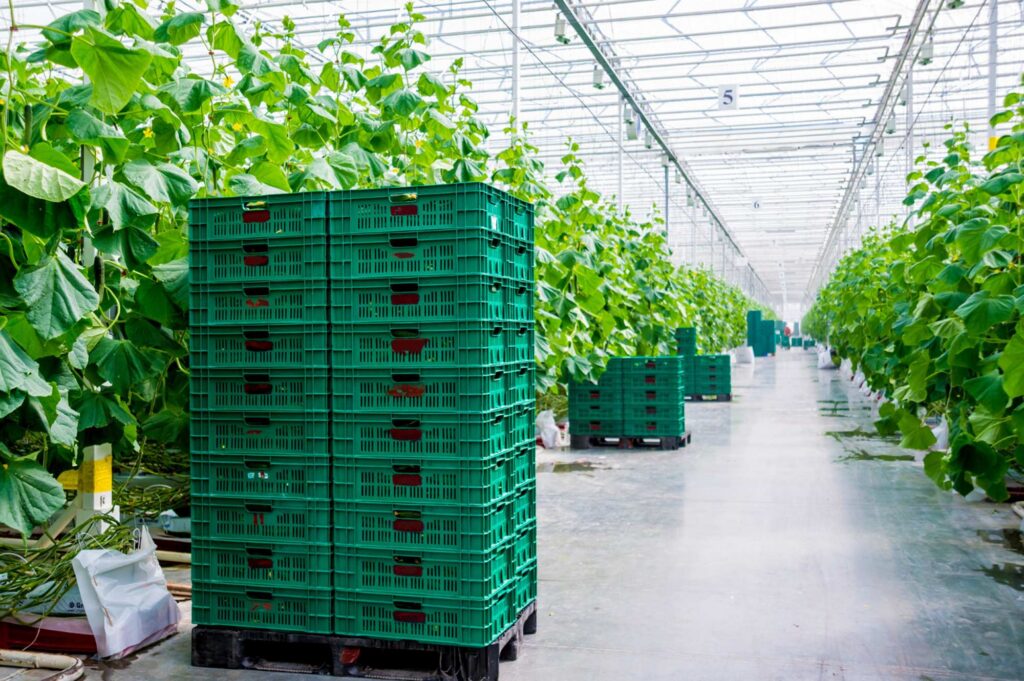
In the food and beverage industry, cleanliness, efficiency, and compliance are essential to daily operations. Manufacturers are under constant pressure to maintain product safety while improving supply chain performance and reducing operational costs. One area that is often overlooked but can significantly impact all three is pallet selection.
While traditional wooden pallets have long been used throughout manufacturing and distribution environments, plastic pallets are quickly becoming the preferred solution for food and beverage operations. Their durability, hygienic design, and long-term reliability make them a smart investment for manufacturers focused on safety and efficiency.
Improved Sanitation and Food Safety
One of the biggest advantages of plastic pallets is their hygienic design. Unlike wood, plastic does not absorb moisture, chemicals, or contaminants. Wooden pallets can splinter, crack, and harbor bacteria, mold, and pests over time creating unnecessary risks in food production and storage environments.
Plastic pallets are:
- Easy to clean and sanitize
- Resistant to moisture and bacteria
- Non-porous and contamination-resistant
- Ideal for FDA and USDA regulated facilities
Longer Lifespan and Reduced Replacement Costs
Although wooden pallets may appear less expensive upfront, they often require frequent replacement due to breakage and wear. Plastic pallets are designed for long-term use and can withstand repeated handling in demanding warehouse production environments.
Benefits include:
- Fewer damaged pallets
- Reduced product loss from pallet failure
- Lower long-term replacement costs
- Better consistency in automated systems